
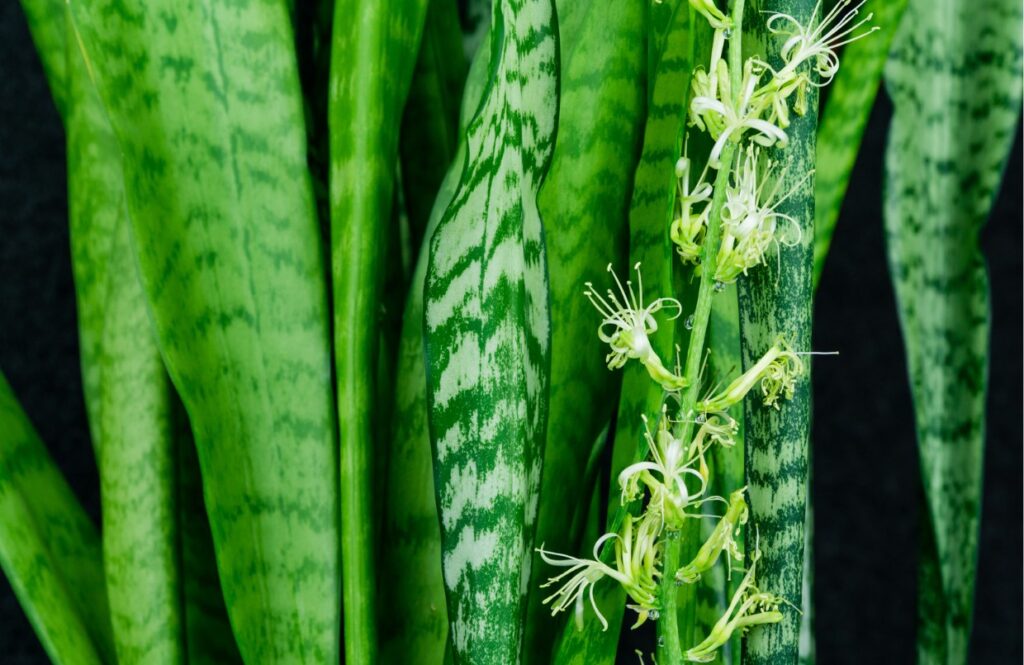
The Sansevieria Zeylanica, often simply called Zeylanica or snake plant, has earned its place as a beloved staple in homes, offices, and plant collections worldwide. Not to be confused with the Sansevieria Laurentii, the Zeylanica’s striking dark green, sword-like leaves with subtle variegation make it a standout, while its hardy nature makes it a top choice for beginners and busy plant lovers alike. If you’re looking to keep your Zeylanica looking its best, here’s everything you need to know about caring for this low-maintenance beauty.
Light Requirements
One of the biggest advantages of the Zeylanica is its adaptability to a wide range of lighting conditions.
- Thrives in bright, indirect light, where growth will be fastest and leaves most vibrant.
- Tolerates low light, making it a great option for dim rooms, hallways, or offices.
- Avoid harsh, direct sunlight, which can scorch or fade its leaves.
If you notice slow growth or darker-than-usual foliage, your Zeylanica may simply need a bit more light.
Watering Needs
Zeylanica is drought-tolerant thanks to its succulent-like leaves that store water.
- Water every 2–4 weeks, allowing the soil to completely dry out between waterings.
- During winter or low-light conditions, reduce watering frequency significantly.
- Always err on the side of underwatering—overwatering is the most common cause of root rot.
A good rule: when in doubt, wait a few more days before watering.
Soil & Potting
This plant prefers conditions that mimic its native arid environments.
- Use a well-draining soil mix, such as cactus or succulent soil.
- Choose a pot with a drainage hole to prevent water from sitting at the bottom.
- Repot only every 2–3 years, or when the plant becomes noticeably root-bound.
Zeylanica likes being a bit snug, so don’t rush to size up its pot.
Temperature & Humidity
This hardy plant adjusts well to typical indoor conditions.
- Ideal temperature range: 60–85°F.
- Protect from drafts, cold air, or temperatures below 50°F.
- Normal household humidity is perfectly fine—no special misting required.
Fertilizing
Zeylanica doesn’t need much feeding, but light fertilization helps support healthy growth.
- Use a balanced, diluted houseplant fertilizer once in spring and once in summer.
- Avoid fertilizing in fall and winter.
Over-fertilization can damage the roots, so keep it minimal.
Common Issues
Although considered nearly indestructible, Zeylanica may encounter a few problems:
Yellowing Leaves
Typically a sign of overwatering or poor drainage.
Soft or Mushy Leaves
Indicates root or leaf rot—remove damaged parts and adjust watering habits.
Slow Growth
Often due to low light, cold temperatures, or nutrient-poor soil.
Pests
Rare, but mealybugs or spider mites can appear. Treat with insecticidal soap or neem oil if needed.
Benefits of Growing Zeylanica
Beyond easy care, Zeylanica offers several perks:
- Acts as a natural air purifier, filtering pollutants like benzene and formaldehyde.
- Withstands neglect and irregular care.
- Adds vertical structure and architectural beauty to any space.
The Zeylanica plant is proof that a low-maintenance plant can still make a bold design statement. Whether you’re a seasoned plant collector or just starting your houseplant journey, the Zeylanica offers a reliable, attractive, and resilient option for any indoor environment. With minimal effort—proper lighting, occasional watering, and good drainage—you’ll enjoy a thriving plant that brings life to your space year-round.
Comments
One response to “What You Need to Know About Zeylanica”
These are genuinely wonderful ideas in about blogging.
You have touched some fastidious points here.
Any way keep up wrinting.