
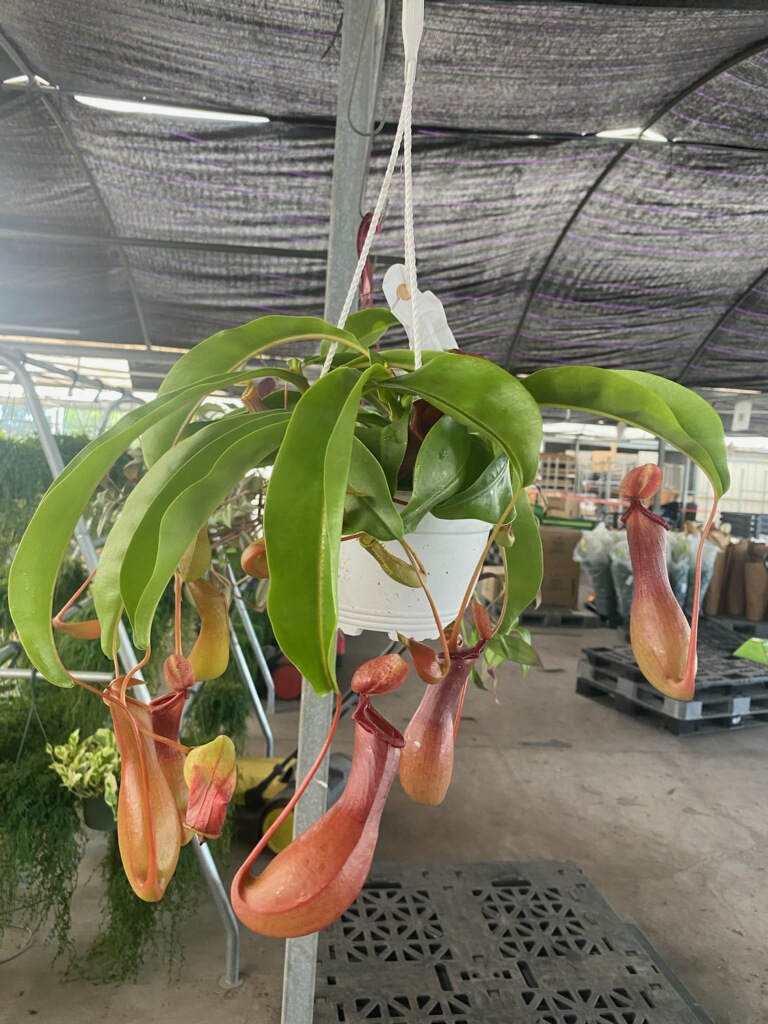
Few plants are as fascinating as carnivorous pitcher plants. Their colorful, tube-shaped leaves aren’t just beautiful—they’re specialized traps designed to capture insects. Whether you’re growing a North American pitcher plant (Sarracenia) outdoors or a tropical pitcher plant (Nepenthes) indoors, providing the right conditions will reward you with stunning pitchers and vigorous growth.
If you’ve never cared for a carnivorous plant before, don’t worry. They’re easier to grow than many people think once you understand their unique needs.
What Is a Pitcher Plant?
Pitcher plants are carnivorous plants that supplement nutrients by catching insects. Their modified leaves form deep pitchers filled with digestive enzymes. Insects are attracted by nectar, slip inside the pitcher, and are digested, providing nutrients that are often lacking in their natural soils.
Although they catch bugs, pitcher plants still produce energy through photosynthesis just like other plants.
Light Requirements
Pitcher plants thrive in bright light.
Indoors: Place near a bright south- or west-facing window. Several hours of direct sunlight each day is ideal.
Outdoors: Most North American pitcher plants prefer full sun for at least 6–8 hours daily.
If natural light is limited, use a quality grow light for 12–14 hours each day.
Insufficient light often results in fewer pitchers, weak growth, and dull coloration.
Watering
One of the biggest mistakes people make is using tap water.
Pitcher plants are extremely sensitive to dissolved minerals.
Use only:
- Distilled water
- Reverse osmosis (RO) water
- Rainwater
Avoid softened or heavily mineralized water whenever possible. Keep the soil consistently moist but never soggy unless growing bog species that naturally sit in wet conditions.
Soil Requirements
Regular potting soil will quickly damage carnivorous plants.
Instead, use a nutrient-poor mix such as:
- 50% sphagnum peat moss
- 50% perlite or silica sand
Some tropical pitcher plants (Nepenthes) prefer long-fiber sphagnum moss mixed with perlite or orchid bark for improved drainage. Never add fertilizer or compost to the soil.
Humidity
Humidity requirements depend on the species.
- Tropical Pitcher Plants (Nepenthes)
- Prefer 60–80% humidity
- Benefit from humidifiers, pebble trays, or terrariums
- Good airflow is still important to prevent disease
- North American Pitcher Plants (Sarracenia)
- Adapt well to normal outdoor humidity
- Usually do not require extra humidity
Temperature
Most pitcher plants prefer temperatures between 65–85°F during active growth. Species vary, always research your specific variety if you’re unsure.
Nepenthes: Warm temperatures year-round.
Sarracenia: Enjoy warm summers but require a cool winter dormancy.
Feeding
Pitcher plants naturally catch insects. If grown outdoors, they’ll usually feed themselves.
Indoor plants may occasionally benefit from:
- Small flies
- Gnats
- Tiny crickets
- Dried bloodworms (rehydrated)
Avoid:
- Hamburger
- Meat scraps
- Cheese
- Human food
- Large insects that may rot inside the pitcher
Overfeeding can damage the plant.
Fertilizing
Most pitcher plants do not require fertilizer. In fact, fertilizer added to the soil can burn the roots and kill the plant. Healthy light, clean water, and occasional insects provide everything they need.
Repotting
Repot every 1–3 years or whenever:
- Soil begins breaking down
- The plant becomes rootbound
- Drainage declines
Spring is usually the best time to repot.
Dormancy
Many North American pitcher plants require a winter rest period.
Signs include:
- Slower growth
- Browning pitchers
- Fewer new leaves
This is completely normal. Provide cooler temperatures (roughly 35–50°F) for several months before active growth resumes in spring.
Most tropical Nepenthes do not require dormancy.
Common Problems
No Pitchers Forming
Usually caused by:
- Insufficient light
- Low humidity (especially Nepenthes)
- Recent transplant stress
Brown Pitchers
Older pitchers naturally die over time. If many pitchers brown suddenly, check:
- Water quality
- Humidity
- Sun exposure
Black Leaves
Often caused by:
- Mineral buildup
- Poor drainage
- Overwatering with unsuitable soil
Are Pitcher Plants Safe Around Pets?
Most pitcher plants are considered non-toxic, though curious pets may damage the pitchers by chewing on them. It’s still best to keep plants out of reach to prevent accidental damage to both the plant and your pet.
Quick Care Summary
-Light Bright light; 6–8 hours of sun
-Water Distilled, rainwater, or RO water only
-Soil Nutrient-poor peat/perlite mix
-Humidity Moderate to high (especially Nepenthes)
-Temperature 65–85°F (species dependent)
-Fertilizer Not recommended
-Feeding Occasional insects if indoors
-Repotting Every 1–3 years
-Dormancy Required for Sarracenia; not for most Nepenthes
Pitcher plants are among the most captivating houseplants you can grow. Their unusual insect-trapping pitchers make them excellent conversation pieces, while their care requirements are surprisingly straightforward once you understand them. Give them plenty of bright light, mineral-free water, and nutrient-poor soil, and they’ll reward you with healthy growth and colorful pitchers for years to come.
If you have any questions or to inquire about our inventory, feel free to call us at (352) 735-8350.