
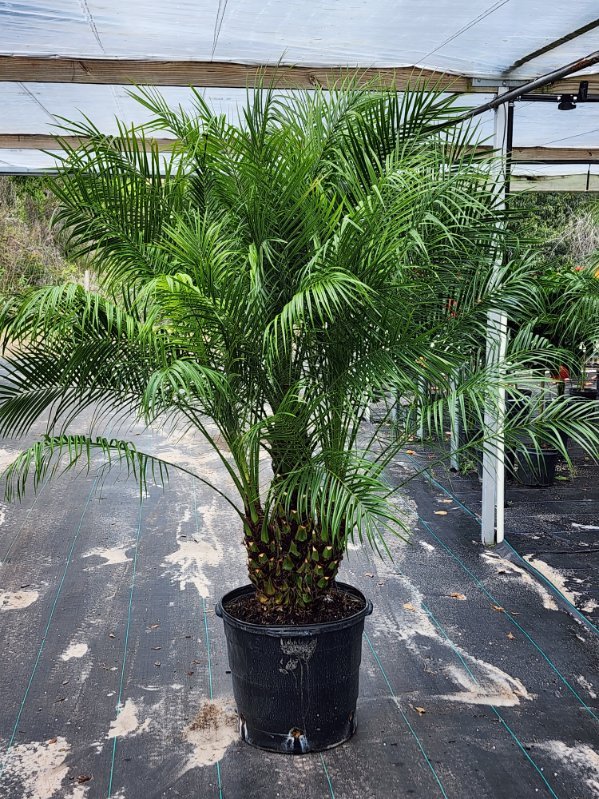
Phoenix roebelenii, commonly known as the pygmy date palm or Robellini palm, is a compact, slow-growing palm prized for its graceful, arching fronds and tropical appearance. It is a popular choice for patios, poolside plantings, and indoor containers.
This palm is especially well-suited for warm climates but can also thrive in containers in regions proper seasonal care.
Light Requirements for Pygmy Date Palms
Pygmy date palms prefer bright, indirect light to partial sun. Outdoors, they do well in partial shade or filtered sunlight, especially in hotter climates where intense afternoon sun can scorch the fronds.
Indoors, place your palm near a bright window where it can receive consistent light without direct harsh exposure.
Temperature and Climate Needs
Pygmy date palms thrive in warm temperatures between 65 and 95 degrees Fahrenheit. They are sensitive to cold and can be damaged when temperatures drop below 30 degrees.
They can be grown outdoors during warmer months but should be protected or brought indoors when frost is expected.
Watering Pygmy Date Palms
These palms prefer evenly moist soil but do not tolerate soggy conditions. Allow the top one to two inches of soil to dry slightly between waterings.
Overwatering is one of the most common issues and can lead to root rot. Always ensure proper drainage, especially when grown in containers.
Best Soil for Robellini Palms
Use a well-draining soil mix, such as a palm or cactus blend. You can also create your own by combining potting soil with sand or perlite to improve drainage.
A slightly acidic to neutral soil pH between 6.0 and 7.0 is ideal.
Fertilizing Robellini Palms
Feed your pygmy date palm with a slow-release palm fertilizer during the growing season, typically spring through early fall.
Apply fertilizer every 6 to 8 weeks or follow the product label instructions. Look for formulas that include micronutrients like magnesium and potassium to prevent nutrient deficiencies.
Pruning and Maintenance
Minimal pruning is required for pygmy date palms. Remove only dead, damaged, or yellowing fronds to maintain a clean appearance.
Avoid over-pruning, as palms rely on their fronds for nutrient storage and overall health.
Note that the trunk and leaf stems can have sharp spines, so wear gloves when handling.
Common Pests and Problems
Pygmy date palms can be affected by pests such as spider mites, scale, and mealybugs.
Treat infestations with neem oil or insecticidal soap, and regularly inspect the undersides of fronds.
Yellowing fronds may indicate overwatering, poor drainage, or nutrient deficiencies, particularly a lack of magnesium or potassium.
Growth and Appearance
Robellini palms typically grow 6 to 12 feet tall in landscape settings but remain smaller in containers.
They feature feathery, arching fronds and a slender trunk, making them ideal for adding a soft, tropical look to smaller spaces.
Growing Pygmy Date Palms in Containers
Container growing is a great option, especially in cooler climates. Choose a pot with good drainage and allow room for root growth.
Container-grown palms can be moved indoors or to sheltered areas during cold weather, making them easier to protect from frost.
Winter Care
In areas with occasional frost, pygmy date palms should be protected during winter.
Options include:
- Moving container plants indoors
- Covering outdoor plants during cold snaps
- Placing in a greenhouse or protected porch
Extended exposure to freezing temperatures can cause permanent damage.
Important Safety Note
While not highly toxic, the spines on Phoenix roebelenii can cause injury. Use caution when pruning or handling the plant.
The pygmy date palm is a versatile and attractive plant that brings a tropical feel to both indoor and outdoor spaces. With proper light, careful watering, and protection from cold, Robellini palms can thrive and remain a long-lasting feature in your plant collection.
If you have any questions, or would like to purchase, please call us at (352) 735-8350.