
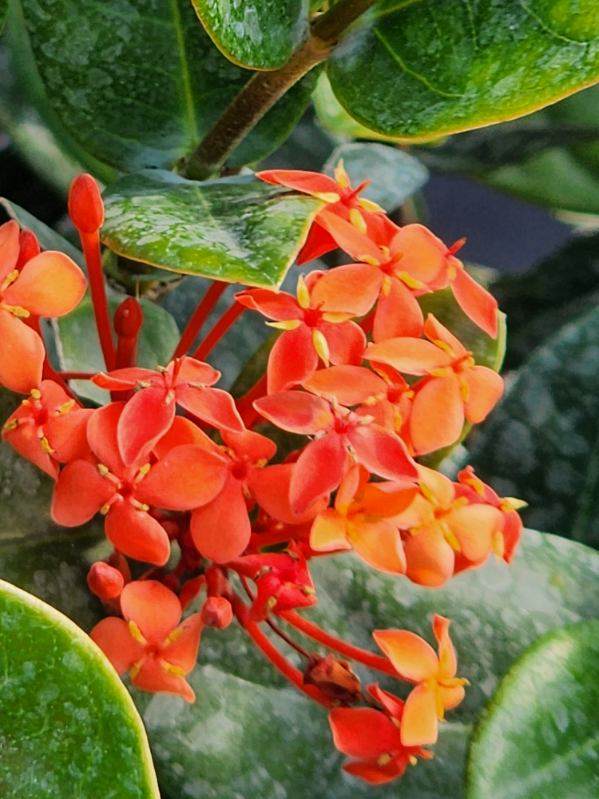
The Ixora is a tropical flowering plant known for its dense clusters of small, star-shaped blooms that appear in vibrant shades of red, orange, pink, and yellow.
A 10″ braided ixora plant makes a striking decorative accent for patios, entryways, and tropical landscapes. With proper care, this plant produces colorful flower clusters throughout the warm season while maintaining its attractive ornamental shape.
Below is a detailed guide to help gardeners grow healthy ixora braid plants and keep them blooming beautifully.
What Is a Braided Ixora Plant?
A braided ixora is created by training several young stems together and weaving them into a decorative trunk. As the plant grows, the stems fuse and form a stable braided structure with a flowering canopy on top.
This style of plant offers several benefits:
- Decorative ornamental appearance
- Compact size ideal for patios and containers
- Elevated flowers that create a focal point
- Tropical look for gardens and outdoor living spaces
Ixora braids are often used as container patio plants or entryway accents.
Sunlight Requirements
Ixora plants thrive in full sun to partial sun.
For best flowering results:
- Provide 6–8 hours of sunlight per day
- Morning sun with light afternoon shade works well in extremely hot climates
- Plants grown in too much shade may produce fewer flowers
Bright light encourages strong growth and more blooms.
Watering Ixora Plants
Ixora plants prefer consistent moisture, but the soil should never remain soggy.
Watering tips include:
- Water when the top inch of soil becomes dry
- Container plants may require watering several times per week in summer
- Ensure containers have excellent drainage
Ixora plants can become stressed if allowed to dry out completely, which may cause bud drop or leaf yellowing.
Soil Requirements
One of the most important factors in growing ixora successfully is soil acidity.
Ixora prefers slightly acidic soil with good drainage.
Ideal soil conditions include:
- pH between 5.0 and 6.5
- Rich organic matter
- Well-draining potting mix
For container plants, choose a high-quality potting mix formulated for tropical or acid-loving plants.
Fertilizing Ixora
Ixora plants benefit from regular feeding during the growing season.
Recommended fertilizing schedule:
- Apply slow-release fertilizer in spring
- Supplement with liquid fertilizer every 3–4 weeks during summer
Fertilizers designed for acid-loving plants work especially well.
Avoid excessive nitrogen, which can reduce flowering.
Pruning and Maintaining the Shape
Light pruning helps maintain the neat appearance of a braided ixora plant.
Pruning tips:
- Trim the canopy lightly to keep a rounded shape
- Remove dead or damaged stems
- Prune lightly after flowering if needed
Avoid heavy pruning, as this may temporarily reduce blooming.
Temperature and Climate
Ixora plants thrive in warm tropical and subtropical climates.
Ideal growing conditions include:
- Temperatures between 65°F and 90°F
- High humidity
- Protection from strong winds
Ixora is sensitive to cold and may suffer damage if temperatures drop below 50°F.
Overwintering Ixora
In cooler climates, braided ixora plants can be brought indoors for the winter.
Steps for overwintering:
- Move plants indoors before temperatures drop below 50°F.
- Place near a bright, sunny window.
- Reduce watering slightly during winter months.
- Resume fertilizing in spring.
Some leaf drop may occur during the transition indoors.
Common Pests and Problems
Ixora plants may occasionally attract pests such as:
- Aphids
- Spider mites
- Scale insects
These pests can usually be treated with insecticidal soap or neem oil.
Maintaining healthy plants with proper watering and sunlight helps prevent pest issues.
Why Gardeners Love Ixora Braids
Braided ixora plants are popular because they offer:
- Vibrant clusters of tropical flowers
- A decorative braided trunk
- Long blooming seasons in warm weather
- An elegant patio or entryway accent
A 10″ braided ixora plant can quickly become a stunning tropical centerpiece in containers or landscape beds.
If you have any questions, feel free to call us at (352) 735-8350.