
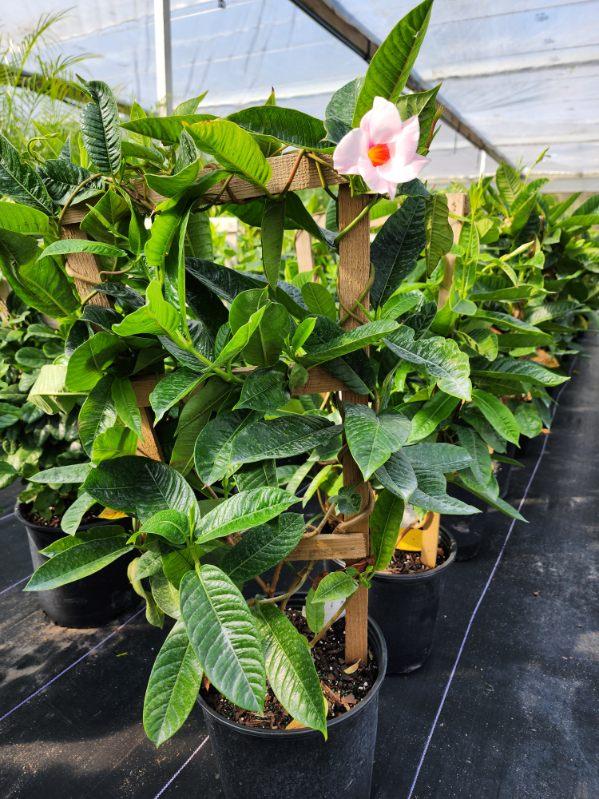
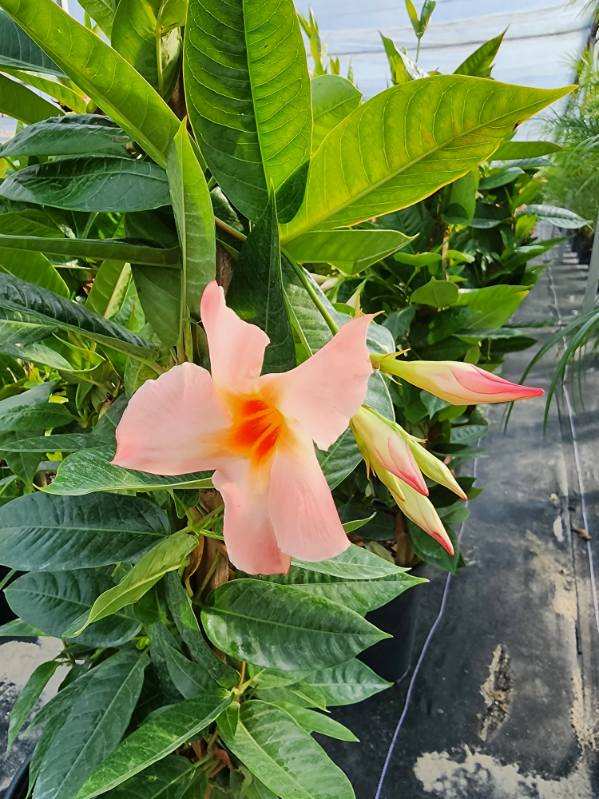
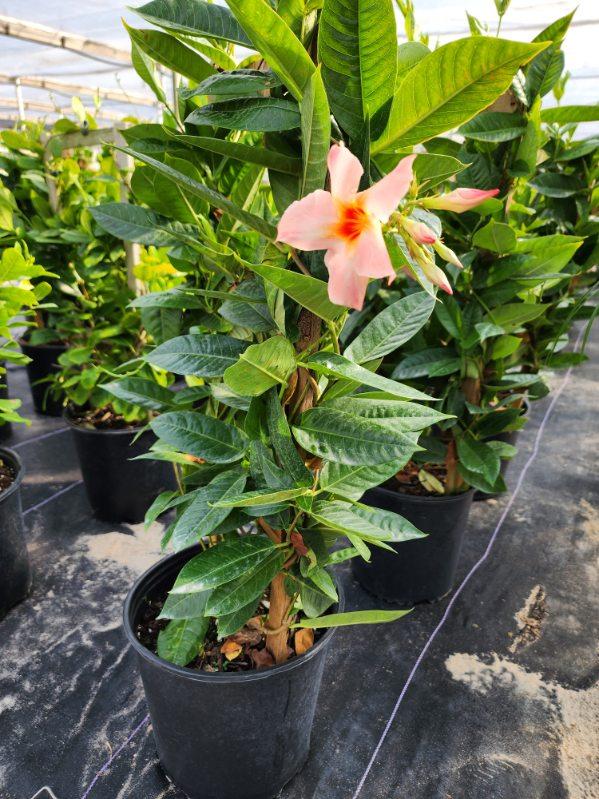
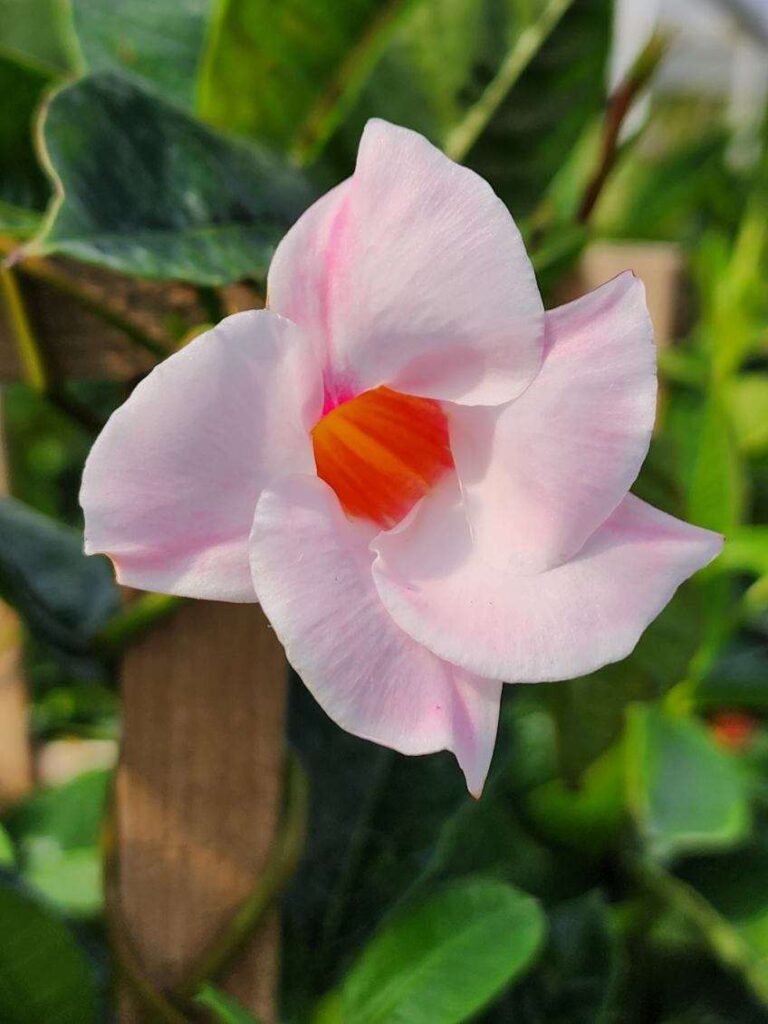
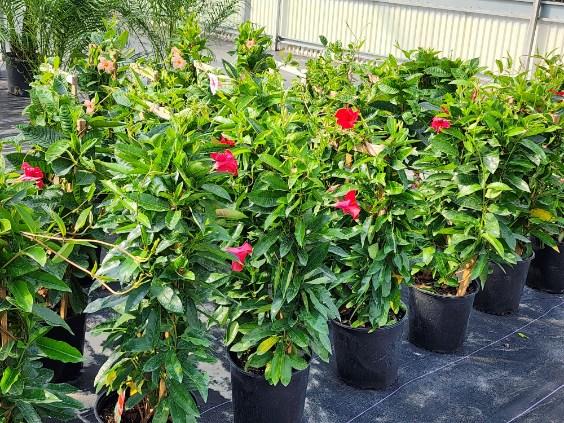
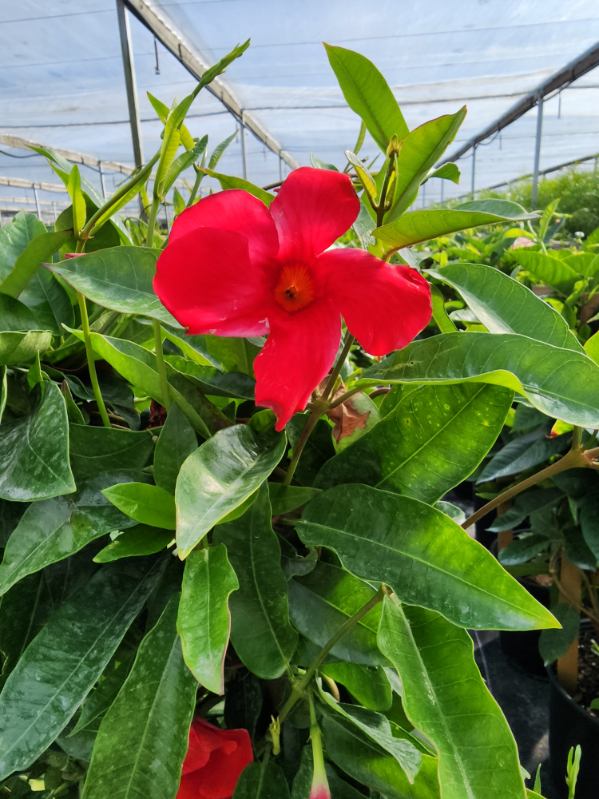
The Mandevilla is one of the most popular tropical flowering vines used in patios, porches, and garden landscapes. Known for their large trumpet-shaped flowers and glossy green leaves, mandevilla plants produce vibrant blooms in colors such as red, pink, and peach throughout the warm season.
These fast-growing climbers bring a lush tropical look to outdoor spaces and can quickly transform a trellis, arbor, or container into a vibrant display of color. With proper care, mandevilla plants can bloom continuously from late spring through early fall.
Below is a complete guide to help gardeners grow healthy mandevilla plants and keep them blooming beautifully all season.
Sunlight Requirements
Mandevilla plants thrive in full sun to partial sun and require plenty of light to produce flowers.
For best results:
- Provide 6–8 hours of sunlight per day
- Morning sun with light afternoon shade works well in extremely hot climates
- Plants grown in too much shade may produce fewer flowers
If growing in containers, place the plant in the brightest area of your patio or garden.
Watering Mandevilla
Mandevilla prefers consistent moisture, but the roots should never sit in soggy soil.
Watering guidelines:
- Water deeply when the top 1–2 inches of soil become dry
- During hot summer weather, container plants may require watering every day
- Garden-planted mandevilla typically needs watering 2–3 times per week
Signs your mandevilla may need water include:
- Drooping leaves
- Flower buds dropping
- Dry soil around the roots
Well-drained soil is essential to prevent root rot.
Soil and Planting
Mandevilla plants perform best in rich, well-drained soil.
Ideal soil conditions include:
- Loose, fertile potting mix
- Good drainage
- Organic matter such as compost
When planting in containers:
- Choose a pot with drainage holes
- Use a high-quality potting mix designed for flowering plants
- Add a trellis or support structure for climbing vines
Mandevilla vines can grow several feet in one growing season, so providing vertical support helps keep the plant healthy and attractive.
Fertilizing for Continuous Blooms
Mandevilla plants are moderate to heavy feeders, especially during the active growing season.
For best flowering:
- Apply a balanced liquid fertilizer every 2 weeks
- Alternatively, use a slow-release fertilizer formulated for flowering plants
- Avoid excessive nitrogen, which promotes foliage rather than blooms
Regular fertilizing encourages strong growth and abundant flowers.
Trellising and Growth Habit
Mandevilla plants are natural climbers. Their vines wrap around structures and grow upward as they mature.
Common support options include:
- Decorative trellises
- Garden arbors
- Obelisks or plant stakes
- Balcony railings
If not given support, the vines may trail or cascade from containers.
Regularly guiding new vines onto the trellis helps create a full, vertical display of flowers.
Pruning and Maintenance
Pruning helps keep mandevilla plants compact and encourages new growth.
Pruning tips:
- Remove dead or damaged stems throughout the season
- Lightly trim vines to encourage branching
- Perform heavier pruning in early spring before new growth begins
Because mandevilla blooms on new growth, pruning can actually increase flower production.
Temperature and Climate Needs
Mandevilla is a tropical plant that loves warm weather.
Ideal growing temperatures are:
- 65°F–90°F
The plant does not tolerate frost and may suffer damage when temperatures fall below 50°F.
In warm climates, mandevilla can grow year-round. In cooler areas, it is usually grown as a seasonal annual or container plant.
Overwintering Mandevilla
Gardeners in cooler climates can bring mandevilla indoors for the winter.
Steps for overwintering:
- Move plants inside before nighttime temperatures fall below 50°F.
- Place near a bright sunny window.
- Reduce watering slightly during winter dormancy.
- Resume fertilizing in early spring.
Some leaf drop is normal when transitioning plants indoors.
Common Pests and Problems
Mandevilla plants are generally hardy but may occasionally attract pests.
Common pests include:
- Aphids
- Spider mites
- Mealybugs
- Whiteflies
These pests can usually be treated with:
- Insecticidal soap
- Neem oil
- Strong sprays of water
Maintaining healthy plants with good airflow helps prevent infestations.
Why Gardeners Love Mandevilla
Mandevilla vines are extremely popular because they offer:
- Long blooming season
- Large tropical flowers
- Fast climbing growth
- Beautiful patio container displays
- Minimal maintenance once established
Whether growing red, pink, or peach varieties, mandevilla plants provide months of vibrant color and a lush tropical atmosphere for any outdoor space.
If you have any questions, feel free to call us at (352) 735-8350.