
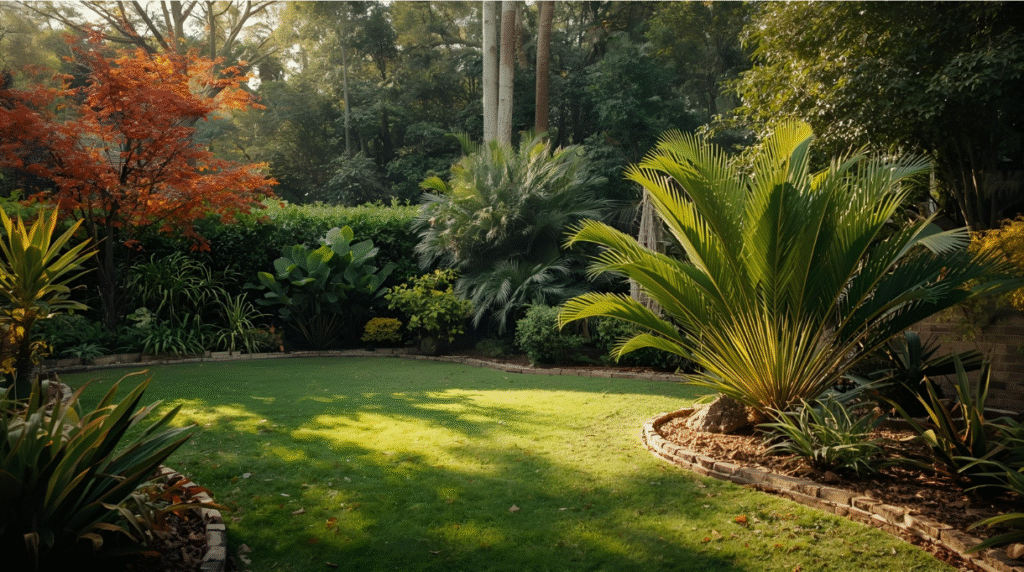
Central Florida’s tropical climate gives us the luxury of enjoying lush greenery and vibrant blooms nearly year-round. But even here, the transition into fall brings subtle changes in temperature, daylight, and rainfall that can affect tropical plants. A little preparation now will help your outdoor tropicals thrive through the cooler months ahead.
1. Take Advantage of Milder Weather
Fall in Central Florida typically means slightly cooler evenings and less intense sun. This is a great time to give stressed summer plants a boost. Trim away dead or damaged growth, and fertilize lightly with a balanced, slow-release fertilizer. The plants will use this energy to strengthen their roots before winter’s cooler nights.
2. Monitor Watering Needs
During summer’s daily downpours, watering is rarely an issue. In fall, however, rainfall starts to taper off. Be sure to check the soil around your tropicals regularly—plants like hibiscus, elephant ears, and gingers still need consistent moisture, but not soggy conditions. Deep watering once or twice a week may be enough, depending on your soil and plant type.
3. Bring Containers Closer to Shelter
If you grow tropicals in pots, consider moving them closer to the house, a lanai, or a sheltered patio area. While Central Florida doesn’t get hard freezes as often as northern areas, sudden cold snaps can still happen. Keeping containers near structures makes it easier to protect them quickly if needed.
4. Mulch for Warmth and Moisture
Applying a fresh layer of mulch around the base of tropical plants serves two purposes: it retains soil moisture during drier fall weather and provides insulation against cooler nights. Organic mulches like pine bark or shredded leaves also enrich the soil as they break down.
5. Watch for Pests and Disease
As the weather cools, certain pests (like aphids, whiteflies, and spider mites) may become more noticeable. Inspect leaves regularly, especially the undersides. Remove any diseased or pest-damaged foliage, and treat infestations early with natural options like neem oil or insecticidal soap.
6. Be Prepared for Cold Snaps
While most autumn nights in Central Florida are mild, a sudden cold front can catch gardeners off guard. Have supplies on hand—such as frost cloths, old sheets, or lightweight blankets—to quickly cover sensitive plants. Potted plants can be moved indoors or into a garage temporarily.
7. Adjust Fertilization Toward Winter
As daylight hours shorten, tropical plants naturally slow their growth. By late fall, reduce fertilizer applications to avoid pushing new, tender growth that could be damaged by cooler weather. Switch to a fertilizer with lower nitrogen and higher potassium to encourage root strength.
Final Thoughts
Preparing your outdoor tropical plants for fall in Central Florida doesn’t require drastic changes—it’s more about fine-tuning care. By watching water, mulching, keeping an eye on pests, and planning ahead for the occasional cold night, you can help your tropicals transition smoothly into the season and keep them healthy all year long.